
The Royal Court Theatre
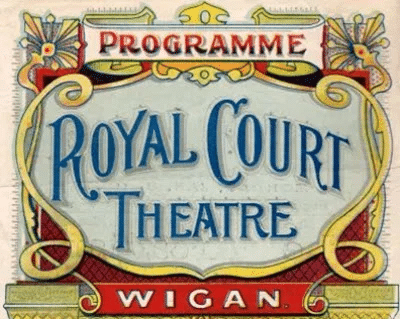
Picture taken from an old programme for the Royal Court Theatre
By Wigan Local History and Heritage Society as part of the King Street Heritage Action Zone
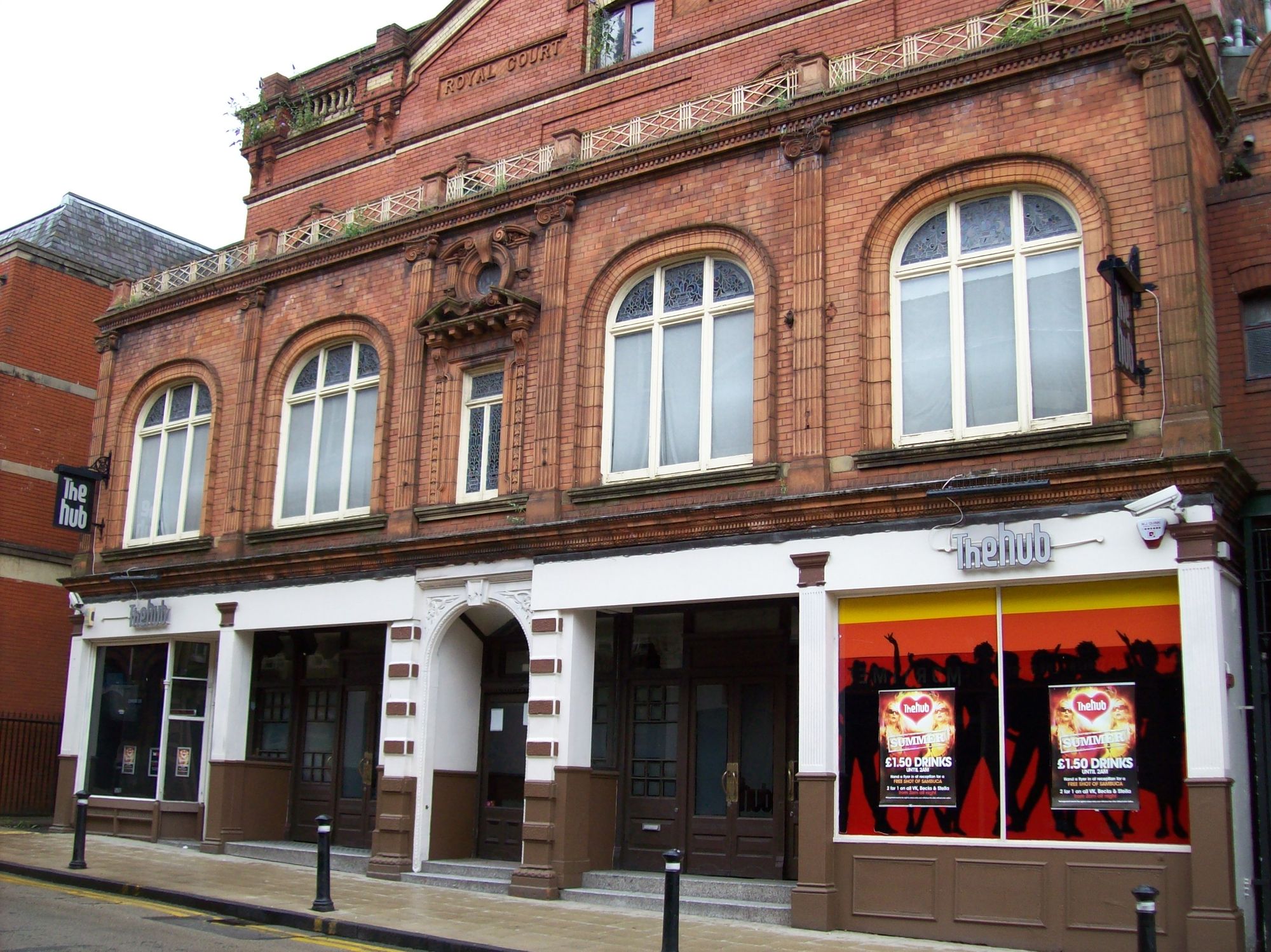
Built in 1886, The Royal Court Theatre on King Street was a truly magnificent addition to the landscape of Victorian Wigan. A bold and proud structure in the heart of the working-class hustle and bustle, this deceivingly large, beautiful building played host to the highlights of the day.
Entertainment served as a treasured reprieve from hard work and a hard life as Wigan town centre became awash with fascinated theatre-goers desperate to be entertained.
The Royal Court Theatre quickly gained faithful support and played more than its part in cementing Wigan as a stop off for both established megastars and rising talents of the day. In double quick time, packed out nights of an audience of 3,000 became common place. Imagine the electricity and anticipation as the show began, granting the impressionable audience an hour or two to drift away, free from the chimneys, the grime and the repetition, drunk on imagination.
Designed by architect, Richardson Thomas Johnson, the Royal Court Theatre achieved the accolade of one of the most attractive playhouses in the region. The architect had also been responsible for the design of Theatre Royal and Empire Theatres in Wigan.
This building and its history have been researched thoroughly by Arthur Lloyd Company.
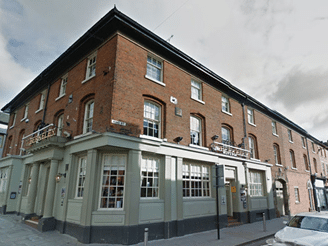
The building remains with many original structures in place. However, work to restore it to its former glory has been put on hold as of 2024.
The picture below shows it in use as a nightclub in 2012.
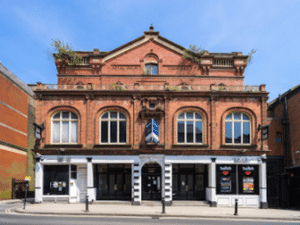
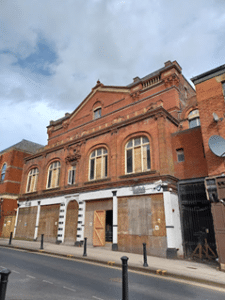
The Royal Court Theatre Heart of the King Street HAZ Project
At the centre of the King Street story stands one building that sums up the street’s long life of entertainment, enterprise and renewal, the Royal Court Theatre.
Built in 1886 by architect Richard T. Johnson, the Royal Court was Wigan’s grandest theatre, richly decorated with marble, polished granite and copper-coloured satin.
A decade later, theatre designer John P. Briggs transformed the façade and added the sweeping imperial staircase that still survives today, one of only three of its kind in the country.
Through the twentieth century the building adapted to changing times. It became the Court Cinema in 1930, complete with a rising Compton organ, then the County Bingo Hall in the 1970s, and later a succession of nightclubs including Springbok and The Hub.
Each new use left its mark, but by 2016 the building had fallen silent and closed.
When Wigan’s High Street Heritage Action Zone was created in 2019, the Royal Court was identified as one of King Street’s most important “buildings at risk.” Its restoration became the catalyst for the wider project that inspired the book King Street: Wigan’s King of Streets.
Ownership of the building transferred to Wigan Council in June 2025, ensuring its long-term protection and restoration as part of the town’s regeneration strategy. Earlier stabilisation work led by Arts @ the Mill CIC and Patrick Wilson Architects formed the basis of this continuing rescue effort, described in their Heritage Statement (2021) as “the essential first step in saving the building from further decay and securing its future for public use.”
The Royal Court’s story mirrors that of King Street itself a place of ambition, adaptation and resilience. Its revival will mark the beginning of a new chapter, linking Wigan’s entertainment past with its cultural future.
HAZ Heritage statement document-19771262 Royal Court Theatre
Read more Wigan history articles below…


New Members, click on the link below and complete our simple online form to become a member
Please click here to join now
Existing members, please click on the link below and complete our renewal form:
Please click here to renew your membership